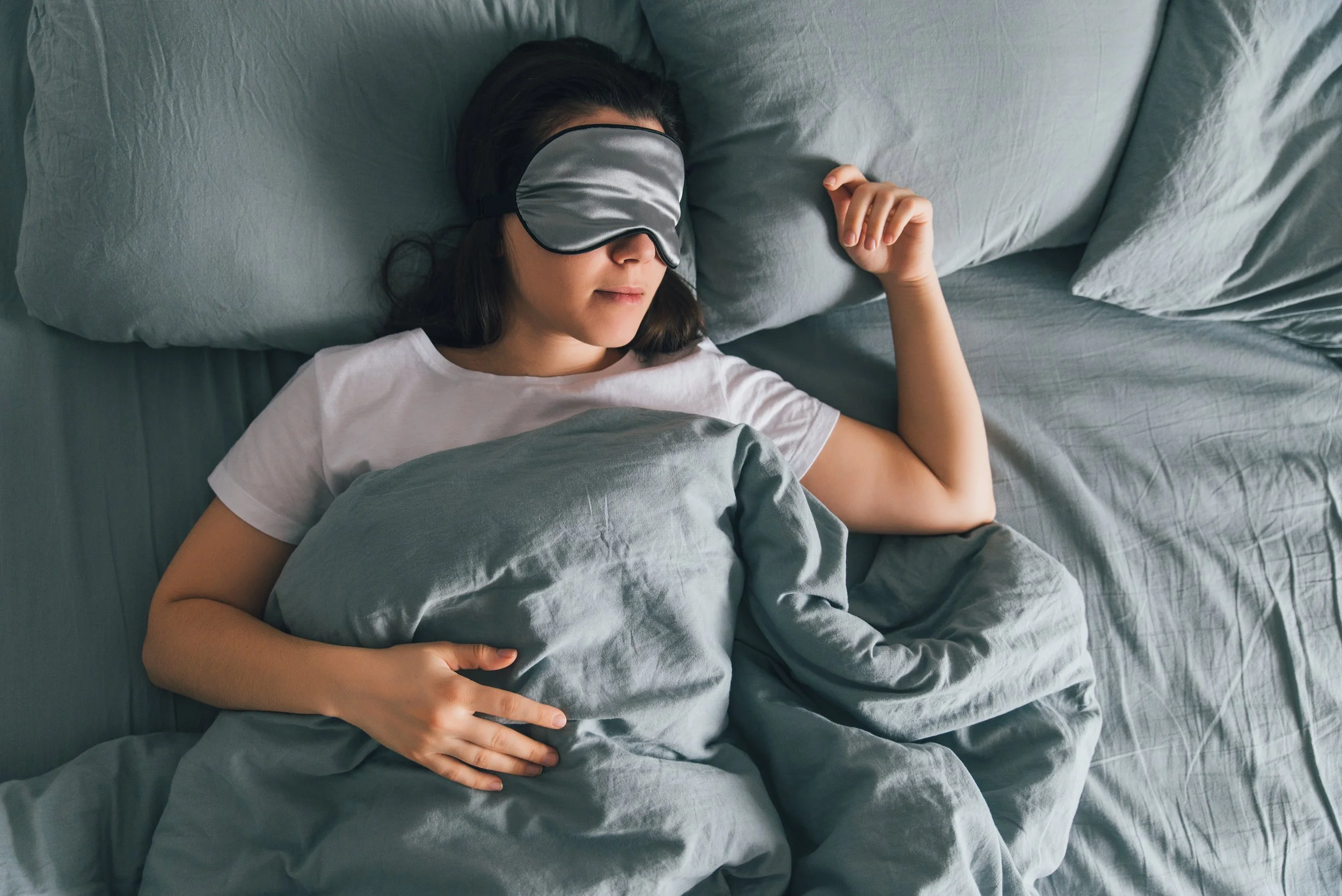
Sleep loss costs the U.S. economy $400 billion annually
Poor sleep isn’t just correlated with poor performance, it is correlated to:
Increased rates of depression and anxiety
Higher levels of cardiovascular disease
Greater risk for cognitive impairment
In fact, chronic sleep deprivation, which is considered fewer than 6 hours/night, is associated with impaired decision-making equivalent to being legally intoxicated.
In an effort to more fully understand the reasons behind these correlations, researchers used findings from the Human Connectome Project, which maps nerve fiber-level connections throughout the human brain, to seek connections between sleep quality and overall well-being.
Through studying a large sample of people with a wide array of sleep patterns, scientists identified five sleep profiles:
Poor sleepers had trouble falling asleep/staying asleep and often had mental health issues like feeling anxious, depressed, angry or stressed.
Sleep-resilient despite having mental health challenges, such as inattention/ ADHD, they didn't report sleep problems.
Short sleepers didn't sleep very long and had trouble with thinking and memory, as well as aggression/lower agreeableness.
Sleep-aid users sleep patterns were affected mainly by the use of sleep aids, such as over-the-counter medications, CBD with or without THC, chamomile tea or prescription medications.
Disturbed sleepers were often disrupted, possibly because of dehydration or the use of alcohol/tobacco.
Looking ahead, scientists are working on brain-based sleep profiling to help support precise personalized sleep medicine. In the meantime, prioritizing sleep is valuable at many levels.